
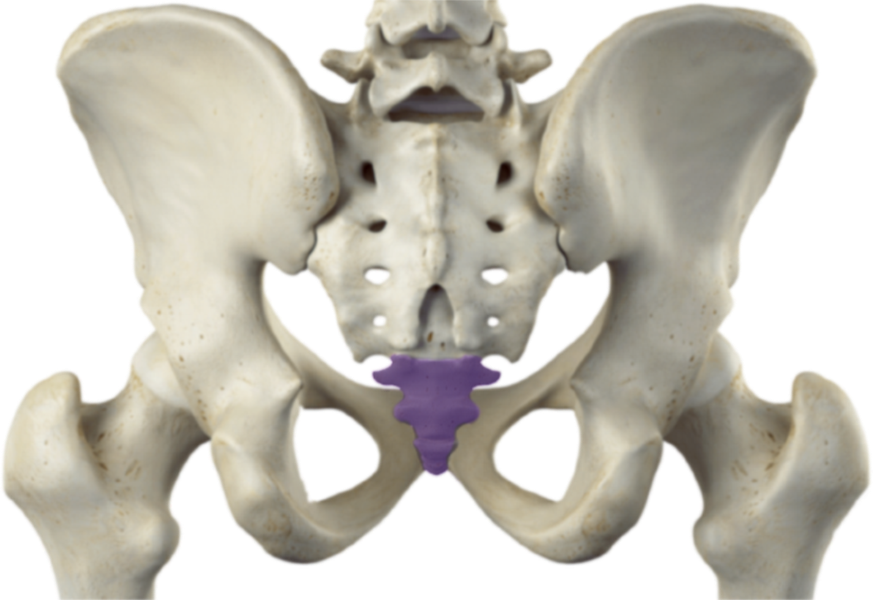
The Tailbone Podcast: Marianne Bleijenberg – Pelvic physiotherapist
Approach persistent tailbone pain as pelvic pain,
so as more than just a local disfunction
Our guest in this episode is Marianne Bleijenberg

Marianne is a very experienced physiotherapist and pelvic physiotherapist. Although she is 70 years of age, she still works two days a week in the clinic she founded because she loves what she does. In her working days she sees a lot of people with tailbone dysfunction and developed an expertise on treating them. After hundreds of patients treated, she built a lot of experience around this topic, which she also teaches about to other physiotherapists.
What makes her approach different from most of the colleagues is that she approaches tailbone problems from a much wider perspective then what is taught in the courses. She incorporates next to the mechanics of the joints and influence of the pelvic floor muscles, also the psycho-emotional aspect, breathing and the influence of fascia on the tailbone. This wide scope brings the patients excelent results.

In this episode we will dive into her approach and experience as a pelvic physiotherapist. On tailbone and pelvic pain but she also has very valuable things to say on therapy in general wherefor this episode is also very informational for therapists and physicians.
You can find the podcast in the menu under Podcast as well as the links to the platforms where it is posted.
Resources
Marianne gave three practical tips and exercises for people suffering with tailbone pain (you can listen to her explanations in the episode from 1:02:30 onwards)
1) Sit on a heat pack that is placed between the buttocks from front to back under the pelvic floor and until the tailbone. In this video she explains how to apply it.
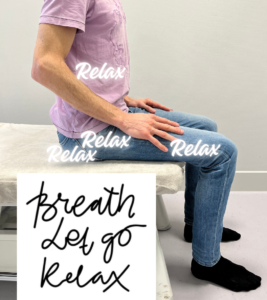
2) Sit in a relaxed but not slouched position and consciously relax the belly, the buttocks, the legs and the pelvic floor. Do this preferably every hour and then shortly for a few times. You can also do this in a standing position.
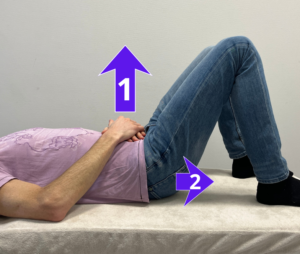
3) On your back with your knees bend and feet flat on the floor, put your hands on your lower belly and normally breath through the nose towards your hands. Without forcing it, help your breathing to move the belly upwards towards the hands on the inspiration. Feel when the belly expands, the pelvic floor relaxes.
If you are looking for more specific exercises to relax the pelvic floor and some audio’s that guide you through the process, you can find them on my website by clicking here.
Therapy by Marianne
Marianne works, at the time of recording, at Zorgpraktijk Flore in Waalwijk in the Netherlands. If you are interested in treatment by Marianne, you can find the institute here.
Get in touch
If you have any questions about anything in and outside of this episode, comments or requests, let me know! You can email me through the contact field below or directly at roel@roelwilbers.nl.